Homemade Ricotta
FAQ
Can I use vinegar instead of lemon juice?
Yes, both work. Lemon gives a brighter flavour; vinegar is more neutral.
What milk works best?
Whole milk gives the creamiest result. Low-fat works but is less rich.
Why can’t I use ultra-pasteurized milk?
It won’t curdle properly. Regular whole milk is key to fluffy curds.
How long does homemade ricotta last?
About 3–4 days in the fridge in an airtight container.
Can I freeze ricotta?
You can, but the texture turns crumbly after thawing. Best used for cooking, not spreading.
Chef’s Tips
- Don’t Stir the Curds: Once the acid is added and curds begin to form, stop stirring. Agitating can break curds and cause grainy ricotta.
- Drain Time Controls Texture: Adjust based on how you plan to use it.
- Shorter drain time = softer, creamier ricotta.
- Longer drain time = thicker, more spreadable.
- Too Soft or Too Dry? If too soft, drain longer. If too dry or crumbly, stir in a small splash of milk or cream to loosen it.
Homemade Ricotta

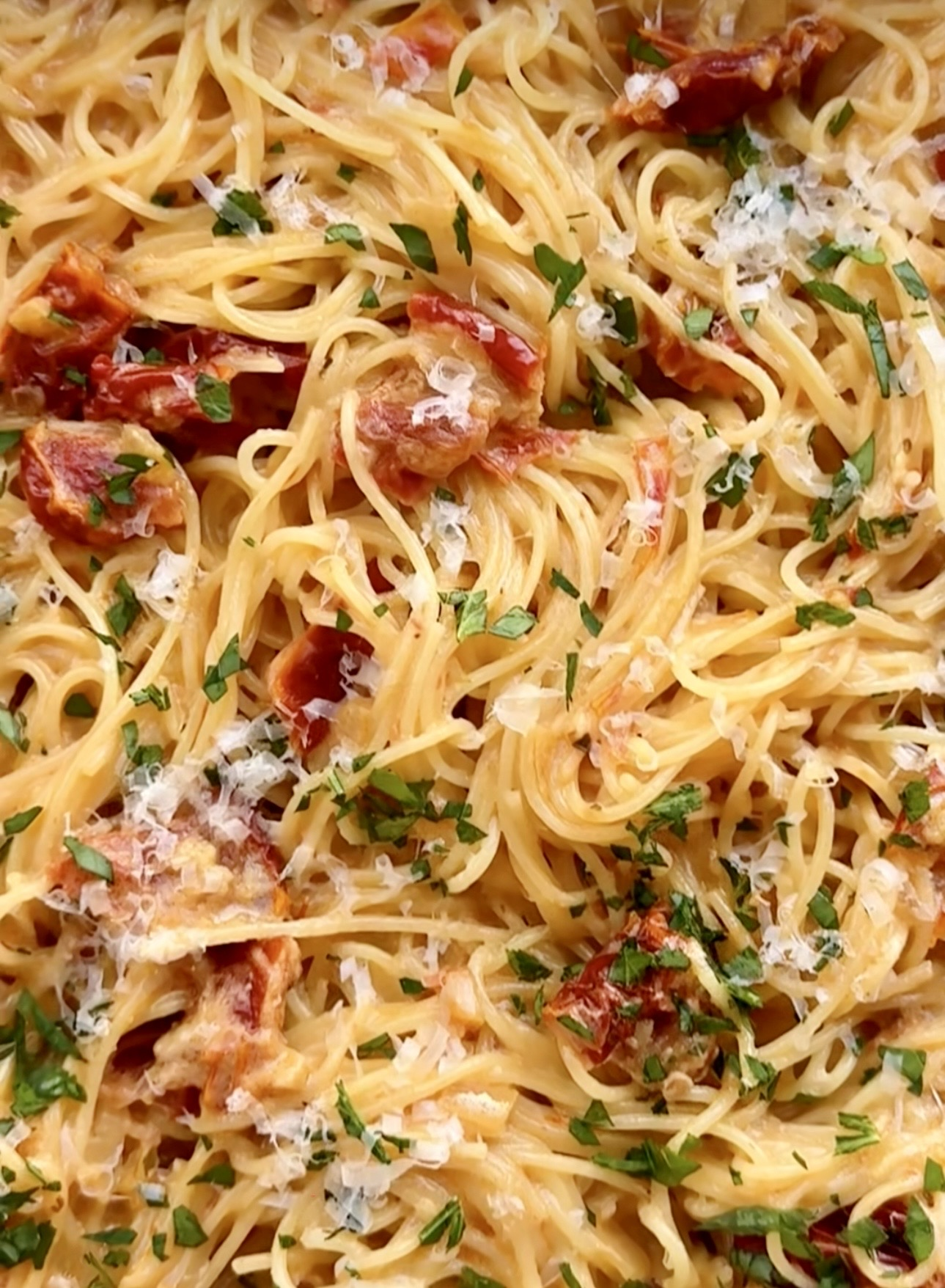
Make this once and you’ll be the “I make my own ricotta” person. Seriously, it’s that easy. Just milk, lemon, and a pinch of patience. Light, fluffy, and fresh, it’s perfect on toast, stirred into pasta, or straight from the spoon. Trust me, skip the store stuff, you won’t look back.
Equipment
- Fine Mesh Strainer
- Cheese Cloth (or a clean kitchen towel)
- Thermometer (optional, but helpful to hit ~180°F / 82°C)
Ingredients
- 1 litre whole milk (not ultra-pasteurized)
- 2-3 tbsp lemon juice or white vinegar
- ½ tsp salt (optional)
Instructions
- In a heavy pot, warm the milk over medium heat, stirring occasionally, until it reaches about 180°F (82°C) and just begins to steam/foam.
- Reduce heat to low. Stir in the lemon juice or vinegar a spoonful at a time until the milk curdles and the curds separate from the whey.
- Turn off the heat, cover the pot, and let it sit undisturbed for 10 minutes so the curds fully set.
- Line a strainer with cheesecloth and pour in the mixture. Let it drain 5–10 minutes, depending on how creamy or dry you like your ricotta.
- Transfer the curds to a bowl, stir in salt if using, and enjoy warm or chilled.
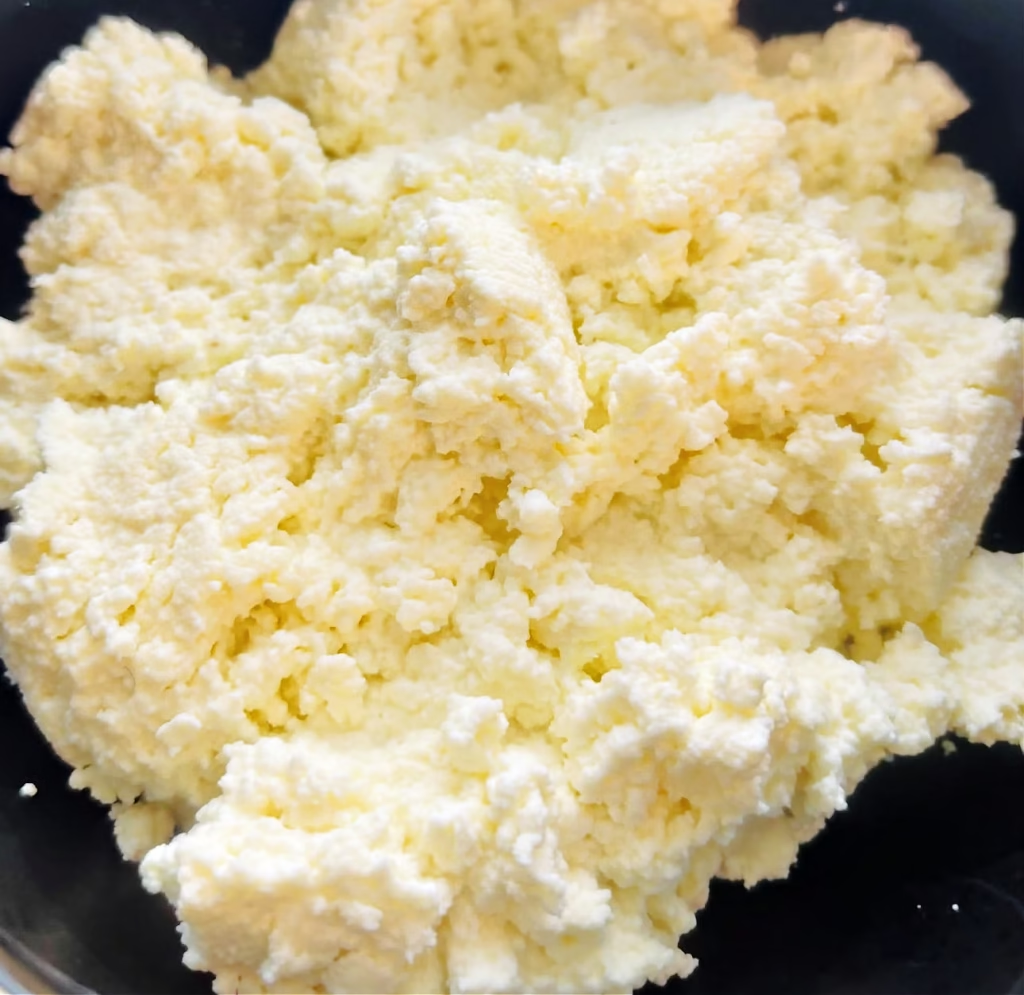
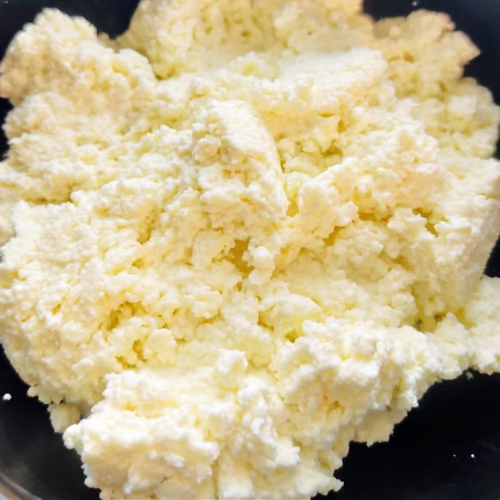
- Result: Light, fluffy, spreadable ricotta perfect for toast, pasta, pizza, dips, and more.
Notes
- Refrigerator Storage: Store in an airtight container for 3–4 days. Keep it cold — the fresher it is, the better the texture and flavor.
- Natural Separation: Homemade ricotta may release a little liquid as it sits. Simply stir it back in before using.
- Freezing (Optional): You can freeze ricotta for up to 2 months. It may thaw crumbly, but it’s still perfect for cooking (lasagna, stuffed shells), just not ideal for spreading.
- Thawing: Thaw overnight in the fridge and stir well to bring it back together as much as possible.
- Note: Don’t discard the leftover whey! It’s full of protein and can be used in smoothies, pancakes, bread, pizza dough, or even stirred into soups and sauces.
Tried this recipe?
 Mention @thewifewiththeknife or tag #wifewiththeknife
Mention @thewifewiththeknife or tag #wifewiththeknife