Kimchi

FAQ
Can I use regular chili flakes instead of gochugaru?
You can, but it won’t taste the same. Gochugaru gives it that signature flavour and colour.
Can I eat it right away?
Yes, but it’s best after 1–3 days of fermentation.
Why is my kimchi bubbling?
That’s normal. It’s just fermentation doing its thing.
Can I make it less spicy?
Yes, just reduce the gochugaru slightly.
Chef’s Tips
- Use coarse Korean chili flakes for the best flavour and colour
- The cabbage is ready when it bends without snapping (don’t rush this step)
- Leave space in your jars, kimchi expands as it ferments
- Taste after 24 hours and adjust fermentation time to your liking
- Wear gloves if you don’t want spicy hands for the rest of the day
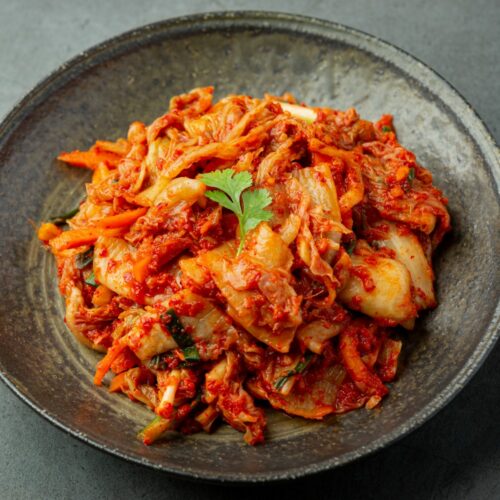
Kimchi

This is the kind of kimchi that takes a bit of time, but it’s worth the wait. Napa cabbage, garlic, and ginger ferment slowly into something crisp, spicy, and deeply layered you’ll want in the fridge.
Equipment
- Jars or Airtight containers 1-1.5L
- Blender or Food processor
- Large mixing bowl
- Kitchen gloves (recommended for mixing)
- Colander or sieve
Ingredients
Fir The Cabbage
- 2 large napa cabbages chopped
- 1 cup coarse salt kosher or pickling
Veg Mix-ins
- ½ daikon cut into matchsticks
- 1 –2 bunches scallions cut into 3-inch pieces
Kimchi Paste
- 1 cup gochugaru Korean chili flakes
- ½ cup fish sauce
- ¼ cup shrimp paste or salted shrimp
- ¼ cup glutinous rice flour
- 1½-2 cups cups water
- ½ onion
- ½ Korean pear (or 1 Gala apple) (or 1 Honeycrisp apple)
- 2 tbsp ginger minced
- 3 cloves garlic
- 2 tbsp sugar
Instructions
- Place chopped cabbage in a large bowl and toss with salt. Massage well into the leaves.
- Let sit 1–2 hours, tossing every 30 minutes, until soft and bendable.
- Meanwhile, combine daikon, scallions, fish sauce, and shrimp paste in a large bowl. Set aside.
- In a pot, whisk rice flour and water together. Cook over medium heat, stirring constantly until thick and glossy (about 15–20 minutes).
- Stir in sugar, cook 1 more minute, then cool completely.
- Blend onion, pear (or apple), garlic, ginger, and ¼ cup cooled rice paste until smooth.
- Mix blended paste with gochugaru and add to the daikon mixture. Combine well.
- Rinse cabbage thoroughly, drain, and squeeze out excess water.
- Combine cabbage with kimchi paste and mix until evenly coated.
- Pack tightly into jars, leaving 1–2 inches of space at the top.
- Leave at room temperature 1–3 days, burping daily if needed.
- Move to fridge once fermented to your liking.
Notes
Kimchi is best once it’s had a few days to ferment and develop that sharp, spicy depth. Keep it chilled in the fridge and let it slowly evolve in flavour over time.
Serving suggestions
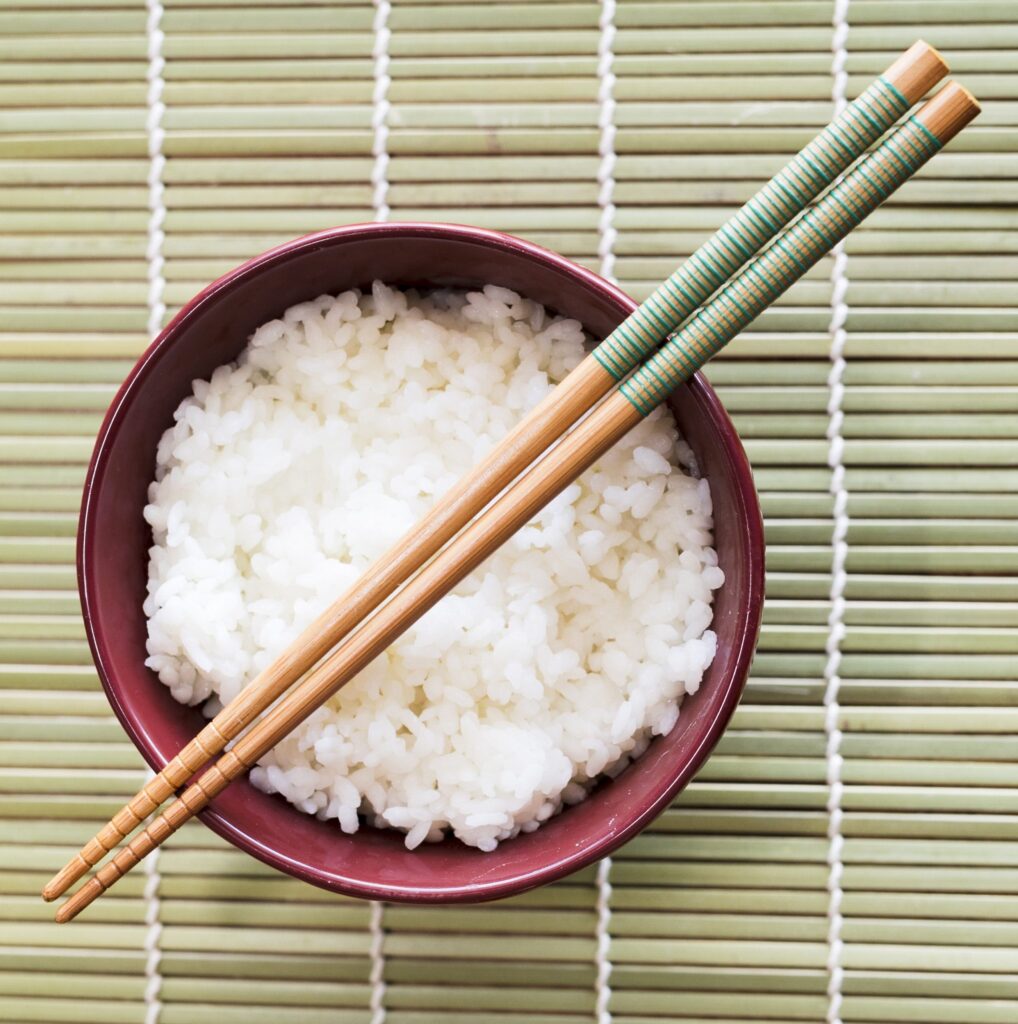
- Serve as a side with rice bowls, grilled meats, or simple fried eggs
- Spoon over noodles for heat, acidity, and crunch
- Excellent in fried rice, or noodles dishes for added heat, acidity, and crunch
- Layer into sandwiches, grilled cheese or wraps for brightness and texture
- Stir into pasta with butter or cream for quick kimchi pasta
- Mix with softened butter for kimchi butter (great on toast, steak, or corn)
- Blend into mayo for dips and spreads
- Add to soups or stews for added depth
- Store Kimchi in an airtight container in the fridge, it will for several weeks to months, when stored properly.
- Flavour becomes stronger and more sour over time
- Store airtight and always use a clean utensil
- Older kimchi is ideal for cooking
- Over-fermented kimchi is often the most flavourful — don’t throw it out
- Kimchi is served cold or at room temperature
Tried this recipe?
 Mention @thewifewiththeknife or tag #wifewiththeknife
Mention @thewifewiththeknife or tag #wifewiththeknife